How to Grow Teasel (Dipsacus)
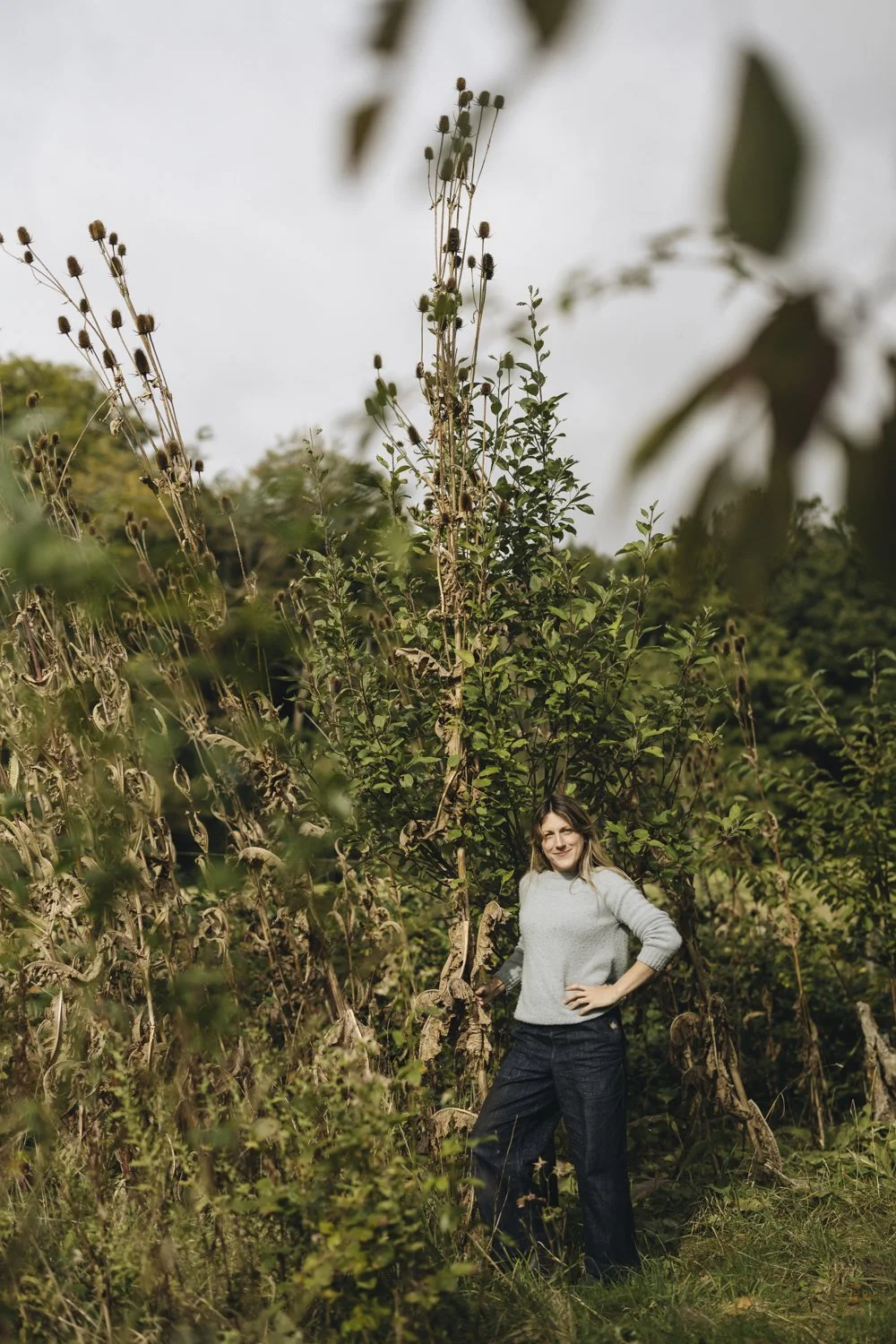
Teasel is one of the most extraordinary plants you can grow from seed. Tall, architectural and beloved by wildlife, it produces those spiky, thistle-like heads that glow gold in autumn and feed flocks of finches through winter. Each plant feels a little bit wild and magical. Last year I grew the Guiness World Record Tallest Teasel at 3.99 m (13 ft 1 inch) tall. It might be the seeds from that plant that bought you to this resource- if so, my tips for growing the tallest are as follows.
The tallest specimen grew at the foot of a short apple tree, which provided shelter and stability from the wind. It grew at the edge of a ditch and so had access to a fair bit of water. So perhaps some staking, and some extra water may help. I can’t wait to hear how tall yours grow!
When to sow
Teasel seeds can be sown in spring or early autumn.
Sow the seeds directly where you’d like them to grow, or start them in trays and transplant later. They germinate best when they experience a little cool weather, so outdoor sowing works beautifully.
How to sow
Scatter the seeds onto the surface of moist compost or soil and press them in lightly. They need a little light to germinate, so avoid covering them with too much soil.
Keep the soil lightly moist while they establish.
Where to grow
Teasel prefers sun or partial shade and is happy in most soils, even poor ones. It’s a brilliant plant for the back of borders, wild areas of the garden, or wildlife patches.
Give plants around 40–60 cm of space, as they form a large rosette in their first year.
A two-year journey
Teasel is a biennial, which means it grows leaves in the first year and flowers in the second.
Year one produces a handsome rosette of leaves close to the ground. In year two, a tall flowering stem rises, often reaching 1.5–2 metres, topped with the distinctive sculptural seed heads.
After flowering
Leave the seed heads standing if you can. They become beautiful winter silhouettes and are adored by goldfinches, who feast on the seeds.
If you allow some to drop naturally, teasel will often self-seed gently, weaving itself into the garden year after year.